
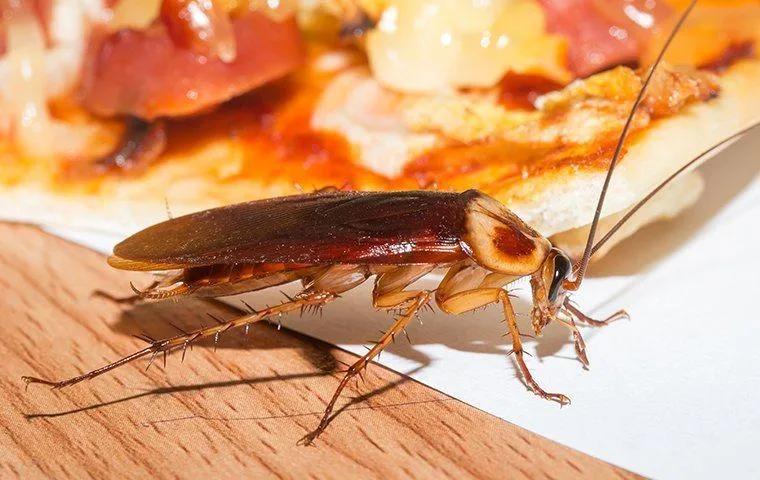
Why do cockroaches gather behind kitchen cabinets and storage areas?
Cockroaches are among the most persistent and unwelcome pests found in homes, particularly in kitchens where food and moisture are abundant. Their tendency to hide behind kitchen cabinets and storage areas often leaves homeowners frustrated and searching for answers. Understanding why these insects are drawn to such locations is crucial for effective prevention and management. Cockroaches are not only unsightly but can also pose health risks by contaminating food and surfaces. By examining the factors that attract cockroaches to these hidden spaces, homeowners can take proactive steps to reduce infestations and maintain a cleaner, safer kitchen environment.
Why cockroaches love hidden kitchen spaces
The appeal of dark, secluded areas
Cockroaches are nocturnal creatures that thrive in darkness and seek out secluded spaces to avoid detection. Behind kitchen cabinets and storage areas, they find the perfect environment to hide during the day and emerge at night to search for food and water. These areas are often undisturbed, providing cockroaches with a sense of security and protection from predators and human activity. The narrow gaps and crevices behind cabinets offer ideal hiding spots where cockroaches can remain unseen for extended periods. Additionally, these spaces tend to accumulate crumbs, grease, and moisture, all of which are attractive to cockroaches. The combination of darkness, shelter, and access to food and water makes the area behind kitchen cabinets a prime location for cockroach activity. Homeowners may not realize how easily these pests can exploit even the smallest openings, making regular cleaning and maintenance essential to deter infestations.
Food and moisture attract cockroaches
One of the primary reasons cockroaches gather behind kitchen cabinets and storage areas is the abundance of food and moisture. Kitchens are naturally prone to spills, crumbs, and food residue, which can accumulate in hard-to-reach places. Even the smallest amount of food debris can sustain a cockroach population, as these insects are highly opportunistic feeders. Moisture is another critical factor, as cockroaches require water to survive. Leaky pipes, condensation, and dampness behind cabinets create an inviting environment for these pests. In cities with dense populations and older buildings, such as Chicago, the challenge of managing cockroach infestations is even greater. Many residents turn to cockroach control Chicago services to address persistent problems and prevent future outbreaks. By eliminating sources of food and moisture, homeowners can make their kitchens less attractive to cockroaches and reduce the likelihood of infestations.
How cockroaches enter your kitchen
Cockroaches are adept at finding their way into homes through a variety of entry points. They can squeeze through tiny cracks and gaps around doors, windows, and utility lines, making it difficult to completely seal off a kitchen. Once inside, they quickly seek out areas that offer shelter and resources, such as the spaces behind cabinets and storage units. These entry points are often overlooked during routine maintenance, allowing cockroaches to establish themselves unnoticed. In multi-unit buildings, cockroaches can also travel between apartments through shared walls, plumbing, and electrical conduits. This mobility makes it challenging to control infestations, as cockroaches can easily relocate to new hiding spots if disturbed. Regular inspections and prompt repairs of any structural vulnerabilities are essential steps in preventing cockroaches from gaining access to your kitchen. By understanding how these pests enter and move within a home, residents can take targeted actions to block their pathways and limit their spread.
The role of clutter and infrequent cleaning
Clutter and infrequent cleaning significantly contribute to cockroach infestations behind kitchen cabinets and storage areas. When items are stored haphazardly or left undisturbed for long periods, they create additional hiding places for cockroaches. Cardboard boxes, paper bags, and unused kitchenware can all serve as shelters, making it easier for cockroaches to remain hidden and reproduce. Dust, crumbs, and spills that accumulate in these areas provide a steady food supply, further encouraging cockroach activity. Regularly organizing and cleaning storage spaces can disrupt these hiding spots and remove potential food sources. Moving appliances and cleaning behind them, as well as inspecting and cleaning inside cabinets, are important practices for reducing the risk of infestation. By maintaining a tidy and well-organized kitchen, homeowners can make it more difficult for cockroaches to find suitable habitats and resources, ultimately discouraging them from settling in these areas.
Quick facts about cockroach behavior
Cockroaches are highly adaptable insects that can survive in a wide range of environments. They are capable of living without food for up to a month and without water for about a week. Their flat bodies allow them to squeeze into extremely narrow spaces, making it easy for them to hide behind cabinets and appliances. Cockroaches are also prolific breeders, with some species producing hundreds of offspring in a single year. These traits make them particularly challenging to control once they have established a presence in a home.
Health risks associated with cockroach infestations
The presence of cockroaches behind kitchen cabinets and storage areas is not just a nuisance; it also poses significant health risks. Cockroaches are known to carry and spread a variety of pathogens, including bacteria, viruses, and parasites. As they move through kitchens, they can contaminate food, utensils, and surfaces with their droppings, saliva, and shed skin. This contamination can lead to food poisoning, allergic reactions, and respiratory issues, particularly in individuals with asthma or sensitivities to allergens. The risk is heightened in homes with young children, elderly residents, or individuals with compromised immune systems. Promptly addressing cockroach infestations and maintaining strict hygiene practices are essential for protecting the health and well-being of all household members. Regular cleaning, proper food storage, and immediate disposal of garbage can help minimize the risk of disease transmission and create a safer kitchen environment.
Conclusion
Cockroaches are drawn to the hidden spaces behind kitchen cabinets and storage areas due to the combination of darkness, shelter, food, and moisture. Their ability to exploit small openings and thrive in cluttered, undisturbed environments makes them particularly challenging to manage. By understanding the factors that attract cockroaches and taking proactive steps to eliminate their resources, homeowners can significantly reduce the risk of infestation. Regular cleaning, prompt repairs, and careful organization of storage areas are key strategies for keeping kitchens free from these persistent pests. Maintaining a clean and well-maintained kitchen not only deters cockroaches but also promotes a healthier and more comfortable living space for everyone.

Andres Mateo
Andres Mateo is a fan of McDo Philippines as he has been eating at the restaurant for the last 18 year. He is a passionate writer who loves to write about everything offered at McDonald’s.