
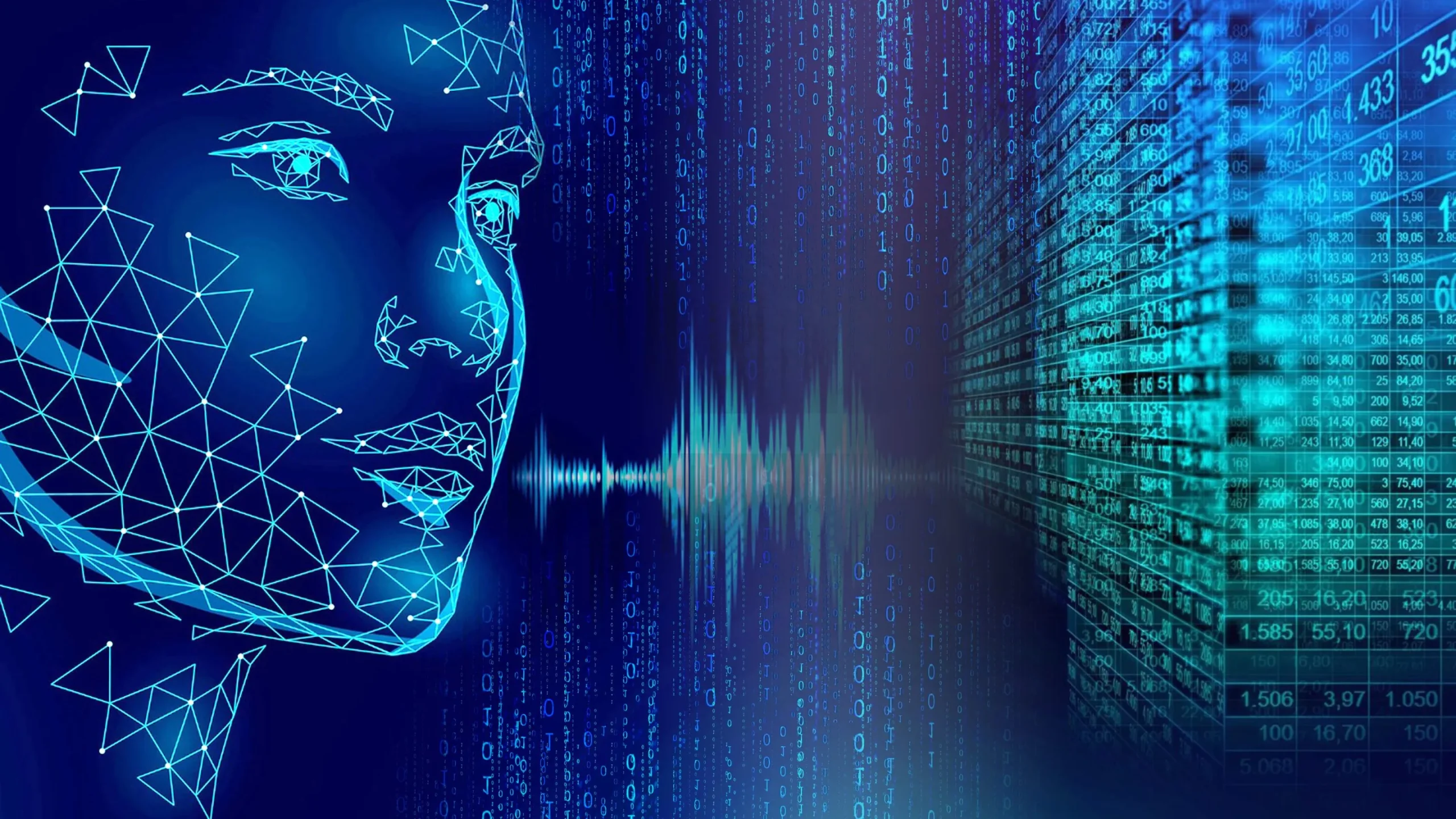
Voice Actors and Digital Doubles: Who Owns a Synthetic Performance?
Digital technology is changing how human performance is captured, copied, and reused. Voice actors, once defined by the uniqueness of their sound, now face the possibility that their voices can be recreated through artificial systems. The same applies to “digital doubles,” visual replicas that mirror an actor’s body and face. The debate is no longer only about artistry; it’s about rights, consent, and control. In the same way that debates around privacy or online cricket betting app raise questions about digital ownership and accountability, the issue of synthetic performances forces society to consider who actually owns a human likeness when it becomes data.
The Rise of Synthetic Voices and Digital Replicas
The use of artificial intelligence in entertainment is expanding quickly. A few years ago, voice cloning required large datasets and technical expertise. Now, with accessible tools and growing datasets, it takes only minutes to replicate a human voice convincingly. The same progress applies to visual doubles. High-resolution scans of actors can produce near-perfect 3D models that can be animated or inserted into new scenes.
These tools save time and cost. Studios can reuse performances, localize dialogue for global markets, or resurrect characters after an actor is unavailable. Yet this efficiency also introduces a complex ownership problem: if a machine can recreate a performance from existing data, is the result still the actor’s work? Or does it belong to the studio that generated it?
Performance as Data
Traditionally, a performance was inseparable from the performer. A voice actor’s skill lay in timing, tone, and emotion. Once that performance was recorded, it was locked in time. Digital technology changes this relationship. Now, a single recording session can produce enough material to generate new speech indefinitely. The line between the original act and its synthetic extension blurs.
This shift moves performance into the realm of data. When a person’s voice is digitized, it becomes part of a system that can be copied and modified. The creative act becomes an algorithmic function. That raises questions of intellectual property and moral rights. If a company owns the recording, does it also own the capacity to reuse that data in ways the actor did not approve?
Legal and Ethical Uncertainty
Current laws struggle to define ownership in this context. Contracts often cover recordings and likenesses, but few specify what happens when artificial versions are created. Some regions treat voice and likeness as personal attributes, meaning they cannot be used without consent. Others focus on copyright, which may belong to whoever produces the digital output.
The ethical dimension is harder to legislate. If a synthetic version of an actor appears in new work, audiences may believe the actor agreed to participate. If that actor is deceased or excluded from the decision, it can feel like a violation. The question becomes less about legality and more about respect for human identity.
Another issue is economic. If synthetic performances replace living actors, how are those actors compensated? A studio might pay once for a digital scan and use it for decades. That arrangement benefits efficiency but undermines long-term livelihoods.
Creativity and Consent
For some creators, synthetic tools offer freedom. Voice actors might license their voice models, allowing studios to generate dialogue in multiple languages without new sessions. Digital doubles could make dangerous stunts safer or keep film production moving despite scheduling conflicts. But consent must remain central.
Without clear agreements, actors risk losing control of their image and reputation. A synthetic voice could be made to say things the actor would never endorse. A digital double could appear in scenes the performer finds objectionable. These are not abstract fears; early cases already show actors discovering their likeness used in unauthorized advertisements or media projects.
The broader issue concerns identity. A person’s voice and appearance are part of their self. When those features become editable digital assets, the boundaries between person and property start to dissolve.
Industry Responses and Future Frameworks
Unions and advocacy groups are beginning to respond. Some have pushed for contract clauses that restrict how digital replicas can be made or used. Others call for technical safeguards—unique identifiers that confirm whether a performance is synthetic or genuine. There are also discussions about shared ownership models, where actors and studios jointly control and profit from digital replicas.
These measures are early attempts at balance. They acknowledge that technology cannot be undone but can be managed. The goal is to preserve creative integrity while still allowing innovation.
Governments are also exploring regulation, though progress is slow. Laws often lag behind technological change. Clearer standards will likely emerge as more disputes reach courts and public attention.
Beyond the Screen
The implications of synthetic performance reach beyond film or animation. The same technologies are being tested in education, customer service, and gaming. Voices generated from real people could narrate books, guide users, or act as virtual assistants. In each case, ownership and consent remain unresolved.
This growing overlap between human and synthetic identity reflects a broader trend in the digital economy. Data increasingly defines value—whether it is a person’s social profile, browsing history, or biometric information. Voice and image data simply add new layers to this ongoing transformation.
Conclusion
Voice actors and digital doubles face a future where their presence can exist without their participation. The debate over who owns a synthetic performance touches on law, ethics, and economics. The challenge lies in protecting individuality without freezing innovation. The solution may come through a combination of contract reform, public awareness, and technological transparency.
What is clear is that a digital copy is never neutral—it carries the voice, face, and identity of a real person. As society learns to live with these replicas, the central question remains: who controls the human trace that machines can now reproduce?
Andres Mateo
Andres Mateo is a fan of McDo Philippines as he has been eating at the restaurant for the last 18 year. He is a passionate writer who loves to write about everything offered at McDonald’s.