
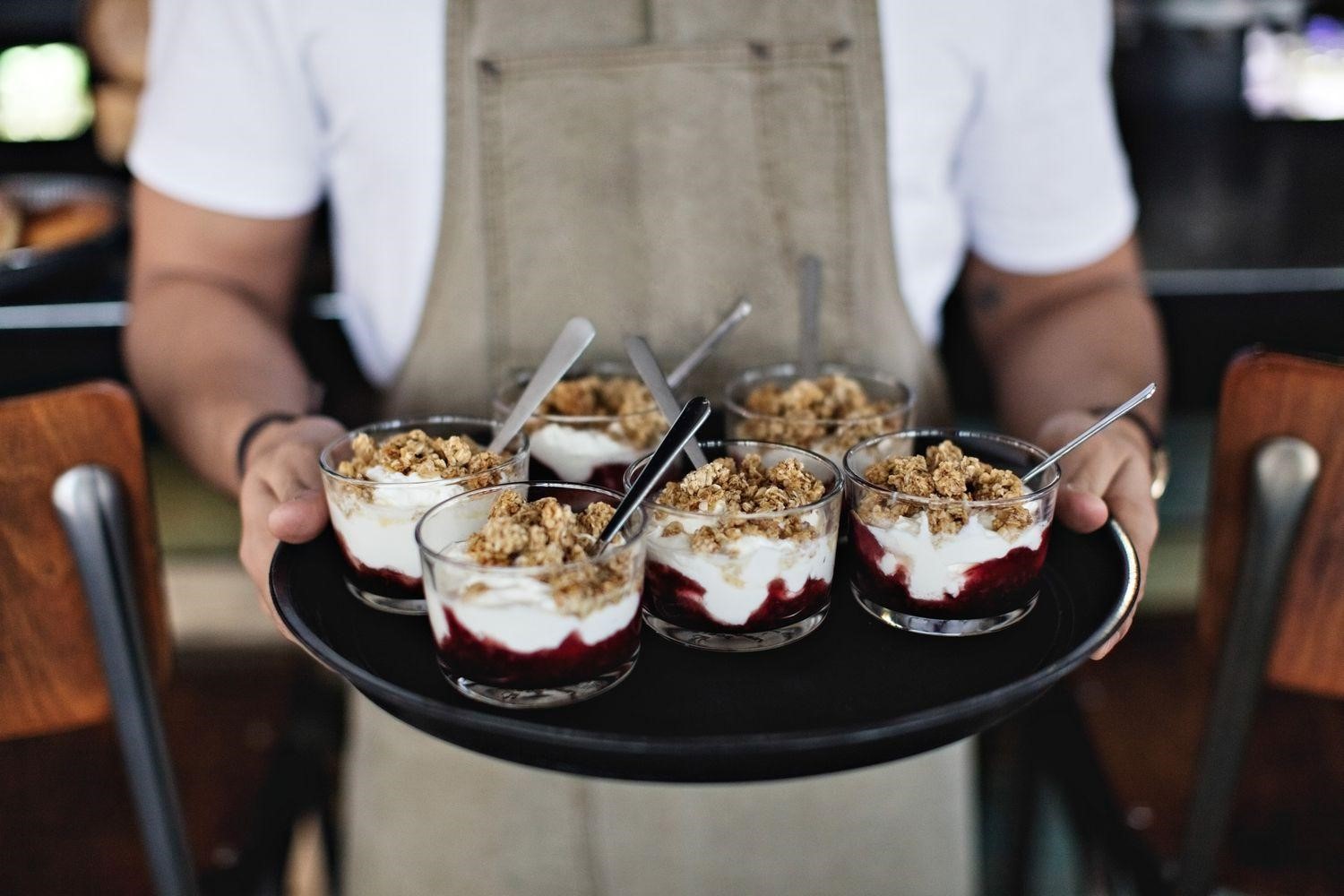
Tips for Starting a Food and Beverage Business for Beginners
Starting a food and beverage (F&B) business is an exciting journey filled with creativity, opportunity, and potential financial reward. The F&B industry remains one of the most resilient and dynamic sectors because food is a fundamental human need. However, despite its promising nature, it is also highly competitive and demanding. For beginners, success requires more than just good recipes—it demands planning, discipline, marketing strategy, and operational efficiency. Below is a comprehensive guide to help aspiring entrepreneurs build a strong foundation in the food and beverage industry.
Understand the Market and Identify Your Target Audience
Before launching your business, conducting market research is essential. You need to understand who your target customers are and what they want. Are you targeting students looking for affordable meals, office workers needing quick lunches, families seeking comfortable dining experiences, or health-conscious consumers searching for organic options?
Observe competitors in your area. Analyze their pricing, menu offerings, customer traffic, and branding. Identify gaps in the market that you can fill. For example, if there are many coffee shops but none offering healthy snack options, this could be your opportunity.
Understanding customer behavior, preferences, and spending patterns allows you to design a product and pricing strategy that matches market demand.
Develop a Clear and Unique Concept
A strong concept differentiates your business from competitors. Your concept should define your brand identity, menu style, pricing range, and overall customer experience. Whether you plan to open a food truck, a dessert café, a specialty beverage stall, or a fine dining restaurant, clarity is crucial.
You do not always need a revolutionary idea, but you slot gacor hari ini must offer something distinctive. It could be a unique flavor combination, attractive presentation, themed interior design, eco-friendly packaging, or exceptional service quality. A clear concept helps customers understand what your business stands for and makes it easier to build brand recognition.
Start Small and Manage Capital Carefully
One of the biggest mistakes beginners make is investing too much money at the start. Instead, begin with a manageable scale. You can test your product through home-based sales, pop-up events, online delivery platforms, or small kiosks before expanding to a larger location.
Prepare a detailed business plan that outlines your estimated startup costs, operational expenses, and projected revenue. Include equipment costs, raw materials, staff salaries, packaging, marketing, and rent. Careful budgeting prevents unnecessary financial stress.
It is also important to separate personal finances from business finances. Open a dedicated business account and track every transaction to maintain financial transparency and control.
Prioritize Product Quality and Consistency
In the food and beverage industry, quality is everything. Even the best marketing strategy cannot compensate for poor taste or inconsistent quality. Use fresh ingredients, follow standardized recipes, and maintain strict hygiene practices.
Consistency builds trust. Customers expect the same taste and presentation every time they visit. Document your preparation process and train staff thoroughly to maintain standards.
Food safety is equally important. Ensure that your kitchen follows health regulations, stores ingredients properly, and maintains cleanliness. A strong reputation for quality and hygiene encourages repeat customers and positive reviews.
Build a Strong Brand Identity
Branding goes beyond a logo or business name. It includes your tone of communication, packaging design, social media presence, and overall customer experience. Choose a memorable business name and design visually appealing packaging.
Your brand story can also create emotional connections with customers. Share why you started the business, your passion for food, or your commitment to sustainability. Authentic storytelling strengthens customer loyalty.
Consistent branding across physical stores, social media platforms, and promotional materials builds professionalism and credibility.
Utilize Digital Marketing Effectively
In today’s digital era, online presence is crucial for business growth. Create social media accounts and regularly post high-quality photos and videos of your products. Visual appeal plays a major role in attracting customers in the F&B industry.
Engage with followers by responding to comments and messages promptly. Run promotional campaigns, limited-time offers, and giveaways to increase visibility. Collaborating with local influencers can help introduce your brand to a wider audience.
Registering your business on food delivery applications increases accessibility and sales potential. Encourage satisfied customers to leave positive reviews, as online ratings significantly influence purchasing decisions.
Focus on Customer Experience
Customer service can determine whether a business succeeds or fails. Friendly staff, quick service, and a welcoming environment create positive impressions. Even small gestures, such as remembering regular customers’ preferences, can strengthen relationships.
If customers provide feedback or complaints, respond professionally and use it as an opportunity to improve. Addressing issues quickly demonstrates responsibility and care.
Happy customers often promote your business through word-of-mouth marketing, which remains one of the most powerful promotional tools.
Innovate and Stay Updated with Trends
The F&B industry constantly evolves. Consumer preferences shift toward healthier options, plant-based menus, environmentally friendly packaging, and unique culinary experiences. Stay informed about emerging trends and be willing to adapt.
Introduce seasonal menus, limited-edition flavors, or creative product variations to maintain excitement. Innovation keeps your brand fresh and competitive.
However, avoid chasing every trend without strategic planning. Ensure that new offerings align with your brand identity and operational capacity.
Manage Operations Efficiently
Efficient operations ensure profitability. Monitor inventory to avoid waste or shortages. Build relationships with reliable suppliers to secure consistent ingredient quality and stable pricing.
Use simple management tools or digital systems to track sales, expenses, and stock levels. Data analysis helps you identify which menu items perform best and which require improvement.
Hiring the right team is also important. Employees should share your commitment to quality and customer satisfaction. Provide proper training and maintain open communication.
Prepare for Challenges and Be Patient
Running a food and beverage business is not always smooth. You may face slow sales periods, rising ingredient prices, or unexpected operational issues. Resilience and adaptability are essential qualities for entrepreneurs.
Evaluate your performance regularly and adjust strategies when necessary. Learn from mistakes and view challenges as opportunities for growth.
Success in the F&B industry often takes time. Patience, consistency, and continuous improvement are key factors in building a sustainable business.
Starting a food and beverage business as a beginner can be both rewarding and challenging. By understanding your market, developing a clear concept, managing capital wisely, and maintaining high product quality, you create a solid foundation for success.
Strong branding, effective digital marketing, excellent customer service, and continuous innovation will help your business stand out in a competitive market. With dedication, strategic planning, and passion, your food and beverage venture can grow into a profitable and sustainable enterprise in the long term.

Andres Mateo
Andres Mateo is a fan of McDo Philippines as he has been eating at the restaurant for the last 18 year. He is a passionate writer who loves to write about everything offered at McDonald’s.