
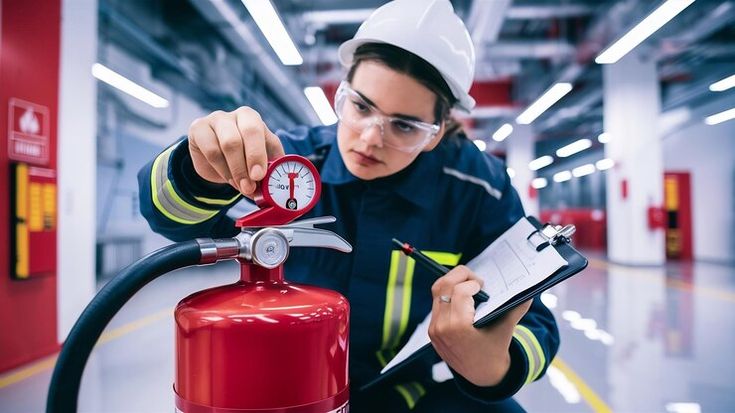
Managing Fire Safety Requirements with Trained Fire Watch Services and Documentation
Work areas can become harder to manage when normal fire protection measures are unavailable or interrupted. A professional fire watch services can provide direct observation during such periods. Trained personnel can monitor exposed areas while following assigned procedures. Clear records also help supervisors understand what happened during each shift. Good documentation supports orderly communication between different workers.
Clear Duties Support Better Fire Monitoring
Assigned personnel should understand their responsibilities before starting each shift.Simple instructions help reduce confusion during changing work conditions.
Observation duties should cover identified areas without unnecessary gaps.Supervisors can review responsibilities whenever site conditions change.
Routine Checks Keep Conditions Visible
Regular inspections help identify unusual conditions before they become serious concerns.Each round should follow a clear and repeatable process.
- Inspect assigned areas before active work begins each shift.
- Check exposed equipment for heat, smoke, or visible damage.
- Keep emergency routes clear throughout the scheduled monitoring period.
- Observe temporary materials stored near possible ignition sources.
- Record unusual findings using simple descriptions and accurate times.
- Confirm communication devices remain ready during assigned coverage periods.
- Report unsafe conditions promptly through the approved reporting process.
- Review previous notes before beginning another scheduled inspection round.
Consistent checks create a clearer record of changing site conditions.
Documentation Creates Useful Safety Records
Written records provide important details about completed inspections and reported concerns.Good notes should remain factual rather than filled with unnecessary descriptions.
Each entry can identify the area checked and time observed.Clear documentation also supports better communication between supervisors and assigned personnel.
What Should Fire Watch Records Include?
A useful record normally identifies the assigned area, inspection time, observed condition, and action taken. Notes should describe visible conditions clearly without adding assumptions. When an issue appears, the record should show who received the report. This creates a basic chain of communication for supervisors reviewing the shift.
Documentation also needs regular updates when conditions change. A work area may look different after equipment moves or scheduled tasks finish. The record should reflect those changes. Consistent entries make it easier to understand the sequence of events without relying on memory alone.
Communication Keeps Safety Duties Organized
Good communication helps observations reach responsible personnel quickly.Every assigned worker should know the correct reporting route.Supervisors should remain available for important site concerns. The professional fire watch services can support organized monitoring when conditions require added attention.
Clear handovers are equally important during personnel changes.Incoming staff should receive current information before assuming duties.Open concerns should never depend on informal verbal reminders.A written handover can reduce missed details.
Different Conditions Need Different Records
Documentation requirements can vary according to the type of work being performed.A useful record should match the actual condition being monitored.
Different situations may require different details for proper review.The table below shows examples of information that may be useful.
| Site Condition | Record Focus | Review Point |
| Temporary equipment use | Equipment condition and surrounding area | Check after work changes |
| Hot work activity | Nearby materials and visible hazards | Review after task completion |
| System interruption | Affected protection measures | Confirm restoration status |
| Shift transition | Open concerns and recent findings | Verify handover details |
| Restricted area work | Patrol coverage and observations | Confirm assigned boundaries |
| After-hours activity | Inspection times and reported issues | Review completed rounds |
A suitable record keeps important details together for easier checking.It also gives supervisors a clearer basis for reviewing completed duties.
FAQ For Fire Safety Documentation
- What should every inspection record contain? Include the area, time, condition observed, and action reported.
- Who should review completed fire watch records? A designated supervisor should review records according to site procedures.
- Why are shift handovers important during monitoring? They help incoming personnel understand current conditions and unresolved concerns.
- Should unusual conditions be recorded immediately? Yes. Prompt notes reduce the chance of important details being forgotten.
Consistent Records Strengthen Daily Control
Reliable documentation gives safety teams a clearer view of completed monitoring duties.Regular review can reveal missing details or repeated reporting problems.Small corrections can improve record quality across future shifts.Clear procedures also help different workers follow the same process.

Andres Mateo
Andres Mateo is a fan of McDo Philippines as he has been eating at the restaurant for the last 18 year. He is a passionate writer who loves to write about everything offered at McDonald’s.